
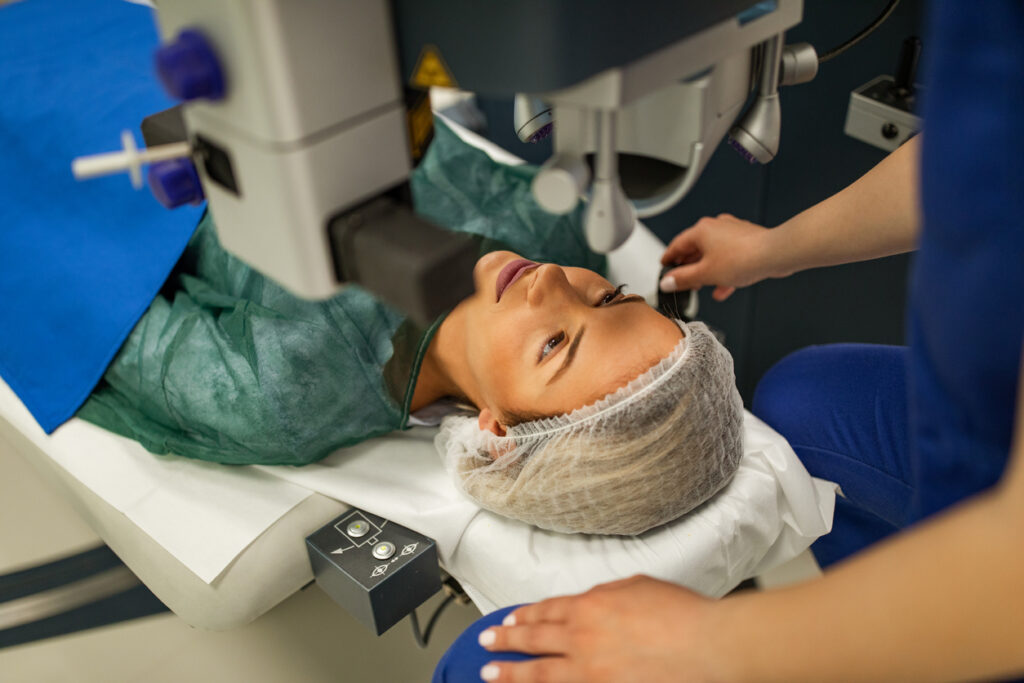
Clear vision is vital for busy professionals and those with active lifestyles. If you’ve been considering laser eye surgery, it’s natural to wonder about discomfort and pain. While the idea of laser treatment on the eyes can sound intimidating, modern technology, numbing drops, and sedation options make the experience surprisingly comfortable. Understanding what to expect can ease anxiety and help you make an informed decision.
What to Expect During Laser Eye Surgery
Most laser eye procedures, including LASIK and PRK, use numbing eye drops to prevent pain. The laser reshapes the cornea in seconds, and patients typically feel pressure or mild discomfort rather than sharp pain. The entire process usually takes 10–15 minutes per eye, making it quick and manageable.
Who benefits most: First-time patients, professionals, and active individuals seeking safe and comfortable vision correction.
Pain Levels During Surgery
1. Minimal Discomfort with Numbing Drops
Eye drops effectively eliminate pain during the procedure.
Practical impact: Patients feel pressure rather than pain, making the experience tolerable.
Who it benefits most: Anyone anxious about eye procedures.
2. Slight Pressure or Tugging Sensation
During flap creation (LASIK) or corneal reshaping (PRK), mild pressure may be felt.
Practical impact: Short-lived and non-painful; most patients describe it as unusual rather than uncomfortable.
Who it benefits most: Professionals seeking quick, low-stress procedures.
3. PRK Surface Discomfort
PRK may cause temporary discomfort for a few days post-surgery as the surface heals.
Practical impact: Mild irritation, tearing, or light sensitivity is normal.
Who it benefits most: Patients with thin corneas or those unsuitable for LASIK.
4. LASIK vs PRK Comfort

LASIK recovery is generally quicker and less uncomfortable than PRK due to the corneal flap.
Practical impact: Immediate visual improvement with minimal pain.
Who it benefits most: Busy professionals and frequent travelers.
5. Post-Surgery Sensations
Some patients experience mild burning, dryness, or itching in the first 24–48 hours.
Practical impact: Temporary and manageable with prescribed drops and eye shields.
Who it benefits most: Individuals prepared for short-term post-operative care.
Sedation and Comfort Options
6. Numbing Eye Drops
Local anesthesia ensures the procedure is virtually painless.
7. Mild Oral Sedation
Optional sedatives can reduce anxiety for nervous patients.
8. Cold Compress and Eye Shields
Post-surgery care helps minimise discomfort and promotes healing.
9. Lubricating Eye Drops
Artificial tears relieve dryness and irritation in the days following surgery.
10. Follow-Up Care and Monitoring
Regular check-ups allow specialists to address discomfort promptly and ensure a smooth recovery.
Benefits of Laser Eye Surgery for Comfortable Recovery
1. Freedom from Glasses or Contacts
Enjoy clear vision without dealing with lens irritation.
2. Quick Procedure Time
Most surgeries are completed in under 15 minutes per eye.
3. Minimal Pain During Surgery
Numbing drops and advanced lasers make the procedure comfortable.
4. Rapid Visual Improvement
Many patients notice improved vision within 24–48 hours.
5. Reduced Long-Term Discomfort
No more dryness, irritation, or discomfort from daily contact lens use.
6. Convenient Post-Surgery Care
Follow-up treatments and drops are simple to manage at home.
7. Long-Term Cost Savings
Eliminates ongoing expenses for lenses, solutions, and eyewear.
8. Enhanced Lifestyle Freedom
Freedom from glasses or contacts supports active, travel-focused lifestyles.
9. Safe for Professionals
Quick recovery allows minimal disruption to work schedules.
10. Customised Procedures
Modern lasers tailor treatments for individual needs, minimising discomfort and maximising outcomes.
FAQs About Laser Eye Surgery Pain and Comfort
Q1: Does laser eye surgery hurt at all?
Most patients experience little to no pain during surgery thanks to numbing drops. Some feel pressure or mild tugging, but it is brief and manageable. Post-operative discomfort is usually mild and temporary, easily relieved with prescribed drops and care.
Q2: Is PRK more painful than LASIK?
PRK can involve slightly more discomfort after surgery due to surface healing. However, pain is manageable with eye drops, medication, and proper care. LASIK generally offers quicker recovery and less post-operative irritation.
Q3: Can sedation help with anxiety during surgery?
Yes, mild oral sedation is available for nervous patients. Combined with numbing drops, it ensures a calm and comfortable experience while maintaining safety and awareness.
Q4: How long does post-surgery discomfort last?
Most discomfort, including dryness, mild burning, or light sensitivity, resolves within a few days to a week. Following the post-operative care plan ensures comfort and smooth healing.
Q5: Can laser eye surgery cause long-term pain?
Long-term pain is uncommon. Most patients experience temporary mild dryness or irritation, which resolves with eye drops and follow-up care. Modern laser technology and tailored procedures minimise the risk of persistent discomfort.