
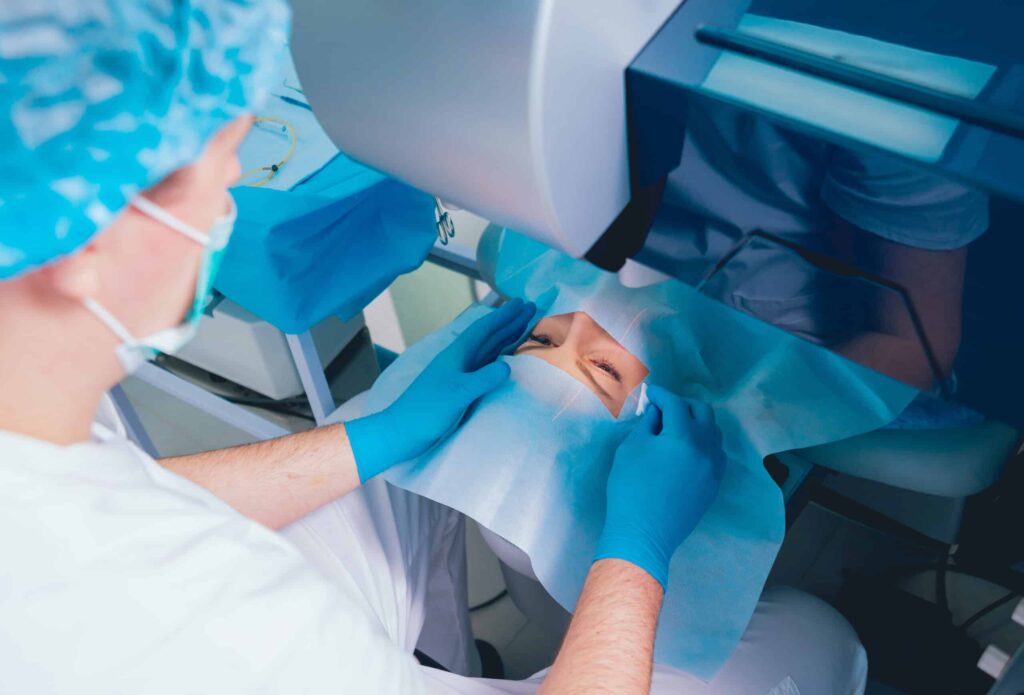
LASIK eye surgery is a popular refractive eye surgery that can effectively reduce or eliminate the need for glasses and contact lenses. If you are considering this procedure, you may have many questions about what to expect before, during, and after the surgery. In this article, we will break down each stage, providing you with comprehensive insights to help you prepare for your LASIK journey.“`html
Understanding LASIK Eye Surgery
LASIK, or Laser-Assisted In Situ Keratomileusis, is a precise surgical procedure that reshapes the cornea to improve vision. It is designed for those who are nearsighted (myopia), farsighted (hyperopia), or have astigmatism. The primary goal of LASIK is to reduce dependency on corrective lenses.
Before undergoing LASIK, it is essential to understand how the procedure works. A specially trained surgeon will use a device called a microkeratome or a femtosecond laser to create a thin flap in the cornea. The flap is then lifted to allow access to the underlying corneal tissue. A second laser is used to reshape this tissue, correcting the eye’s optical system while the flap is laid back into place like a natural bandage.
With a high success rate, LASIK eye surgery has transformed the lives of millions of people worldwide, making it one of the most sought-after eye surgeries. However, understanding the procedure and what it entails can ease any anxiety you may feel leading up to it.
Pre-Surgery Preparations
Before the surgery, you will have an extensive eye exam, which will help determine your candidacy for LASIK. This pre-operative assessment will include measuring your corneal thickness, mapping the curvature of your cornea, and evaluating your overall eye health. It’s also important to share your full medical history with your surgeon, as certain conditions may affect your eligibility for the procedure.
In the days leading up to your surgery, there are several precautions you should take. Your surgeon may advise you to avoid wearing contact lenses for a period of time before the procedure. This is crucial as contacts can alter the shape of your cornea, leading to inaccurate measurements. Instead, wear glasses until your surgery day.
Additionally, do not use any eye makeup, lotions, or perfumes on the day of your surgery, as these can increase the risk of infection. It’s also advisable to arrange for someone to drive you home afterward since you may experience temporary visual disturbances following the procedure.
Day of the Surgery
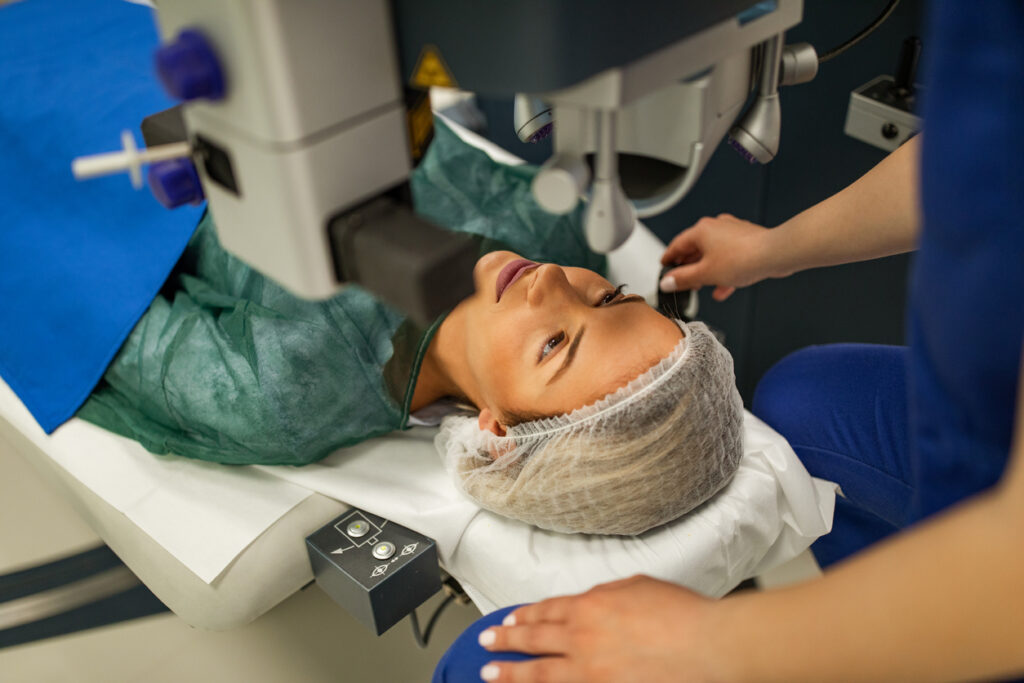
On the day of your LASIK surgery, you will arrive at the surgery center where a healthcare professional will guide you through the process. You’ll typically be given a mild sedative to help you relax. During the procedure, you will be positioned comfortably in a reclined chair, and numbing eye drops will be administered to ensure you do not feel any discomfort.
The surgery itself takes only about 10-15 minutes per eye. It’s essential to remain still during the procedure, and your surgeon will instruct you to focus on a specific light, which helps keep your eye steady. Most people report feeling only minor pressure and no pain during the operation.
Once the procedure is complete, the flap created on the cornea is gently repositioned. You will then be given protective eyewear to wear, as well as post-operative instructions regarding eye care and activity restrictions. Following the surgery, many patients experience a significant improvement in their vision almost immediately, although it may take a few days for the full effects to stabilize. It is common to have follow-up appointments scheduled to monitor your healing process and ensure that your eyes are recovering as expected. Learn more about cornea on https://pubmed.ncbi.nlm.nih.gov/26310146/
Post-operative care is crucial for achieving optimal results. You may be prescribed antibiotic and anti-inflammatory eye drops to prevent infection and reduce inflammation. It’s important to adhere to the prescribed regimen and attend all follow-up visits. During this healing period, you might also be advised to avoid swimming, hot tubs, and strenuous exercise for a few weeks to protect your eyes from potential irritants and ensure a smooth recovery.“`
Recovering After LASIK Eye Surgery
The recovery process following LASIK is relatively quick for most people. However, it is crucial to follow your doctor’s post-operative instructions carefully to ensure optimal healing. Initially, you may experience some side effects, including dry eyes, visual fluctuations, or glare, but these symptoms usually subside within a matter of days. Many patients find that keeping their eyes well-hydrated with artificial tears helps alleviate dryness and discomfort, making the recovery experience more manageable.
It’s common for vision to improve gradually over the first few days following surgery, as your corneas heal and adapt to their new shape. Many patients report significant improvements in their eyesight by the next day, while some may require several weeks to achieve optimal vision correction. During this time, it’s important to be patient and allow your eyes the necessary time to adjust. Engaging in low-stress activities, such as reading or watching television, can help keep your mind occupied while your vision stabilizes.
To facilitate healing and minimize the risk of complications, your surgeon may prescribe anti-inflammatory eye drops or antibiotics, which should be used as directed. It’s also important to avoid swimming, hot tubs, or any activities that could introduce water into your eyes for a few weeks post-surgery. Additionally, protecting your eyes from bright sunlight with UV-blocking sunglasses can help reduce glare and discomfort, especially during the initial recovery period when your eyes may be more sensitive to light. To read more about sunlight click here.
Long-term Care and Follow-up
Follow-up visits to your surgeon are necessary to monitor your progress. Typically, the first check-up will be scheduled the day after your surgery to assess how well your eyes are healing. Subsequent appointments will take place during the first few months after the procedure to ensure that your vision is stabilizing. These visits are not only crucial for tracking your recovery but also provide an opportunity to address any concerns or questions you may have about your vision changes.
While LASIK significantly reduces the need for glasses or contact lenses, some patients may still require corrective lenses as they age, particularly due to presbyopia. However, many individuals enjoy excellent uncorrected vision for many years following their surgery. It’s worth noting that lifestyle factors, such as prolonged screen time or exposure to environmental irritants, can also impact your vision over time. Therefore, being proactive about eye care, including taking regular breaks from screens and practicing the 20-20-20 rule, can help maintain your visual health.
Ongoing eye care remains essential after LASIK. Schedule annual eye exams to monitor your eye health and catch any potential issues early. Staying vigilant about your eye health is critical for maintaining clear vision as you age. In addition to routine exams, consider discussing with your eye care professional any changes in your vision or discomfort you may experience, as these could be indicators of underlying conditions that may need attention. Keeping an open line of communication with your eye doctor can empower you to take charge of your eye health and ensure the longevity of your LASIK results.
Conclusion
LASIK eye surgery can be a life-changing experience for those looking to reduce their dependency on glasses or contact lenses. Understanding the procedure, preparing adequately, and following your surgeon’s guidance during recovery are crucial for a successful outcome.
If you’re considering LASIK, consult with a qualified eye care professional to determine whether you are a good candidate for the procedure. Being well-informed and prepared will help you approach LASIK with confidence, ensuring the best possible results for your vision.
Learn more on: LASIK Cost Breakdown How Much Should You Expect to Pay